

Why Organic?
According to the International Federation of Organic Agriculture Movements (IFOAM), organic agriculture is a production system that maintains the health of soil, ecosystems, and people. This production system is based on ecological processes, biodiversity, and production cycles adapted to local conditions. Organic agriculture combines tradition, innovation, and science for the benefit of the shared environment and promotes fair relationships and a good quality of life for all those involved. When considering why to adopt organic agriculture and what its advantages are compared to conventional farming, it is necessary to examine its benefits from multiple perspectives.
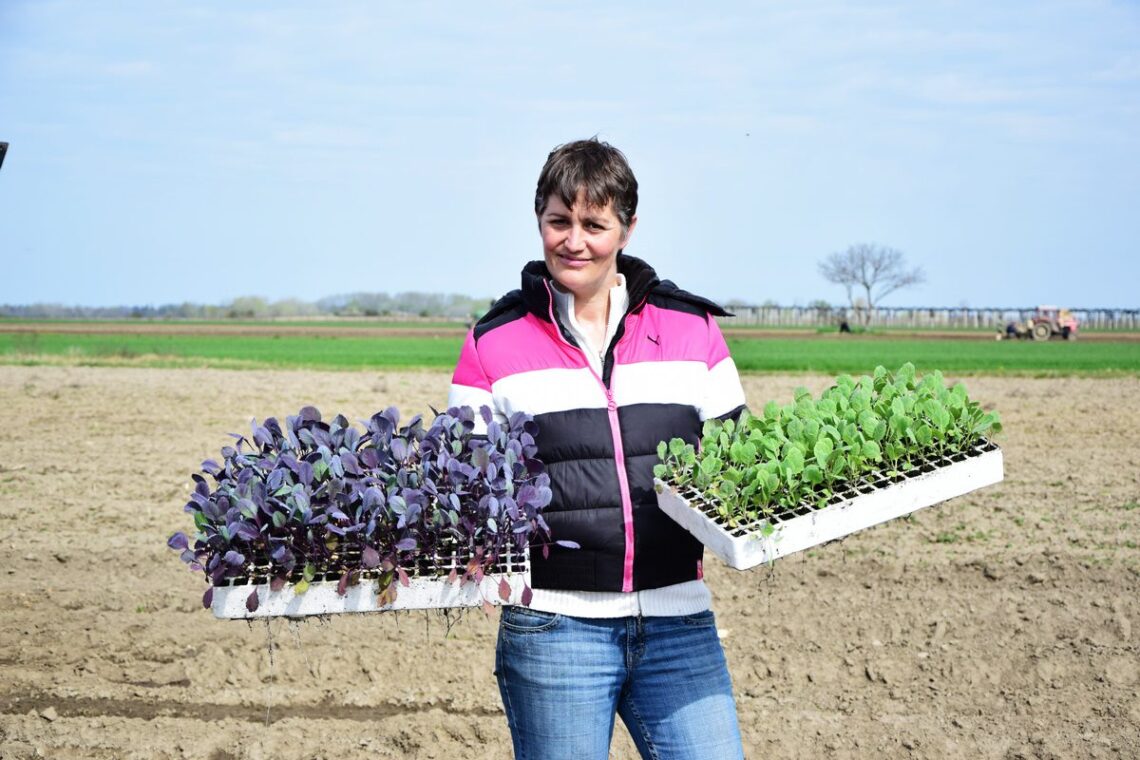
Production of safe, high-quality food in an environmentally sustainable way.
Organic agriculture aims to produce healthy and environmentally sustainable food. Its methods rely on natural processes and substances, while eliminating synthetic pesticides, heavy metals, additives, antibiotics, hormones, and GMOs.
Organic food retains its natural taste and aroma, contains lower levels of nitrates and nitrites, and has higher amounts of vitamin C, minerals (K, P, Fe, Mg), and antioxidants that help prevent diseases.
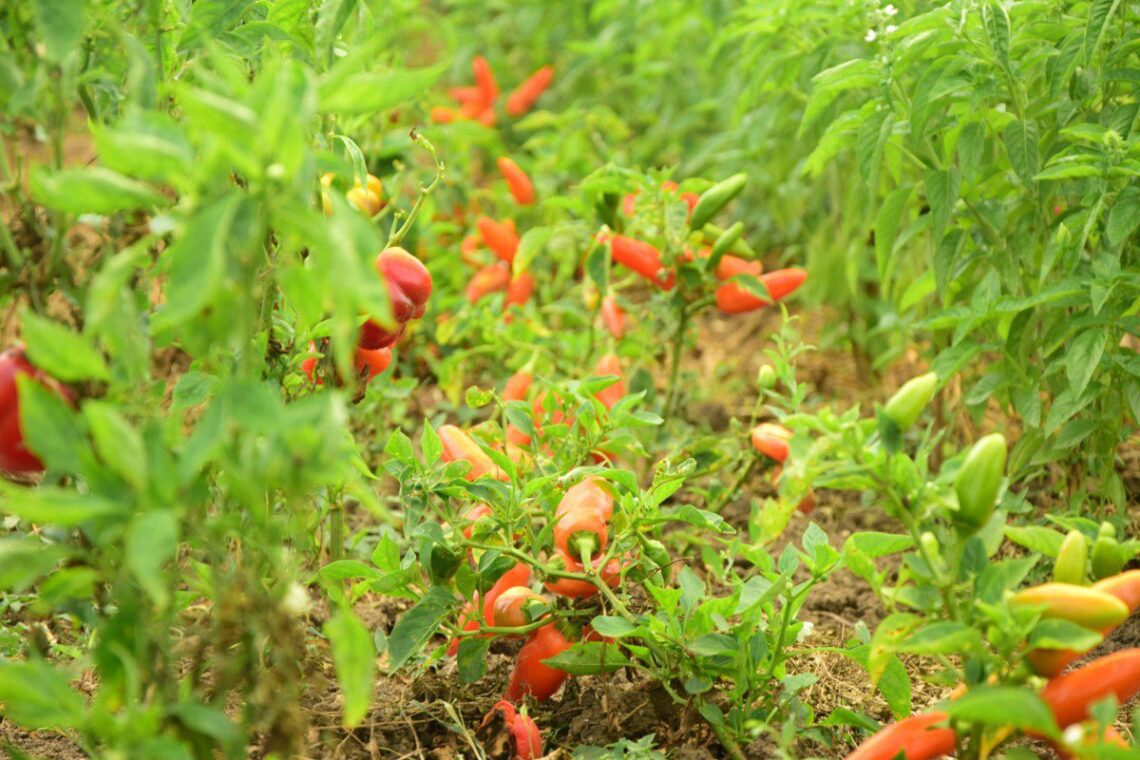
Organic food production requires less energy and contributes to reducing the greenhouse effect.
Organic agriculture significantly reduces harmful gas emissions and the use of fossil fuels. It consumes 40% less energy and reduces greenhouse gas emissions by 60% compared to conventional production. FAO considers organic agriculture an effective strategy for mitigating climate change and creating more resilient soils.
According to IFOAM, adopting organic production globally could sequester up to 32% of greenhouse gas emissions.
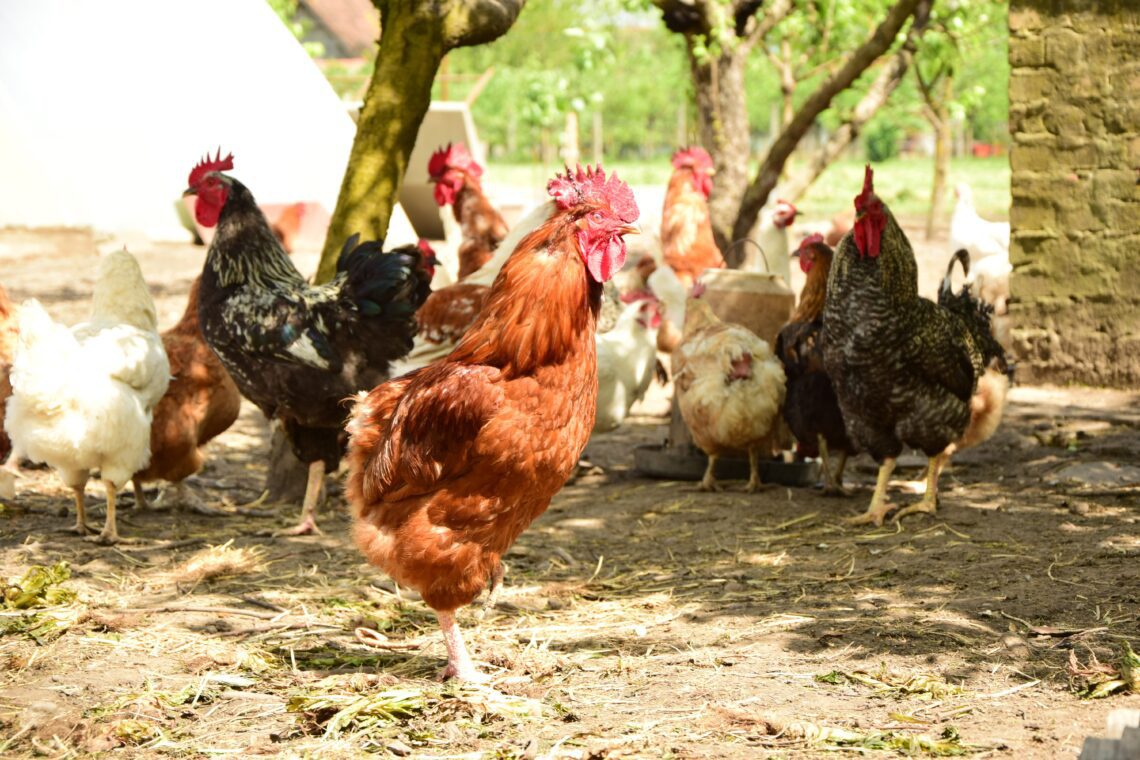
Organic livestock farming prioritises animal welfare by allowing animals to live in natural conditions and behave according to their nature.
The conditions for keeping livestock are regulated by specific regulations in organic production. Farm animals must be provided with rearing conditions that enable them to express their natural functions and behaviours, as they are an integral part of the agroecological system.
By applying organic livestock farming methods, a high level of animal welfare is ensured, respecting the specific needs of each species. The sale of meat from cloned animals and their offspring is not permitted in organic production.
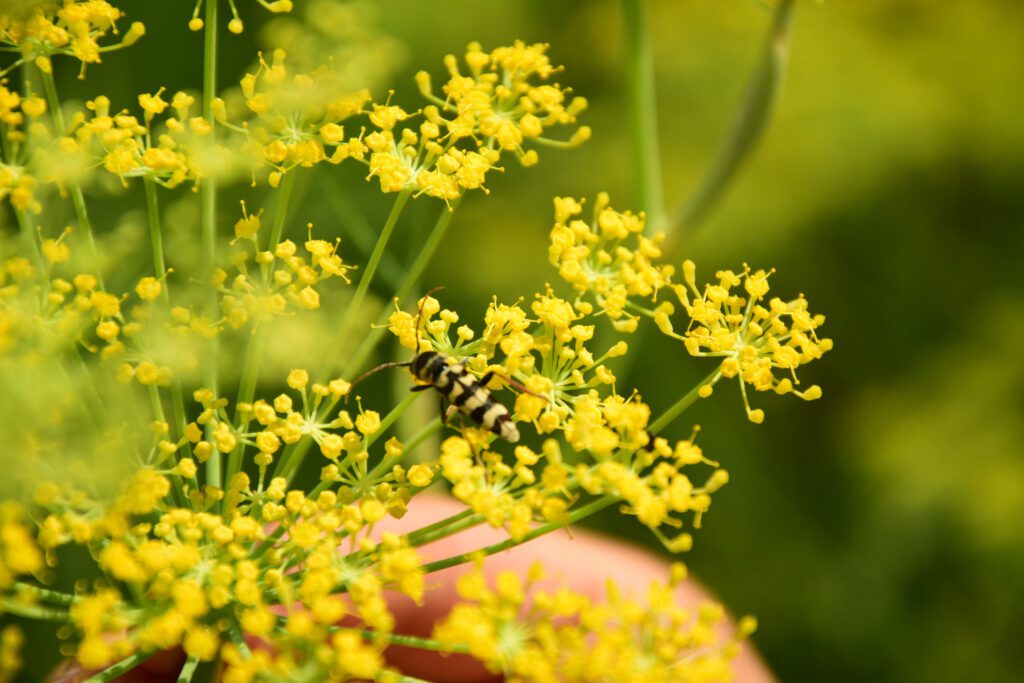
Preservation of biodiversity.
Through the application of ecological agronomic practices, organic agriculture improves the physical, chemical, and microbiological properties of soil (crop rotation, soil cultivation, organic and green manures) and reduces erosion by 20–40% (intercropping, mulching, cover crops). Using natural production methods and landscape management, organic farming maintains biological balance while preserving the characteristics of the local environment.
Field design in organic farming includes eco-corridors and flower strips within and around fields, as well as planting appropriate shrubs and trees that provide habitats for insects and birds, and even for wildlife. By cultivating a greater variety of species, cultivars, and breeds—especially indigenous ones—organic production preserves biodiversity and protects the environment.
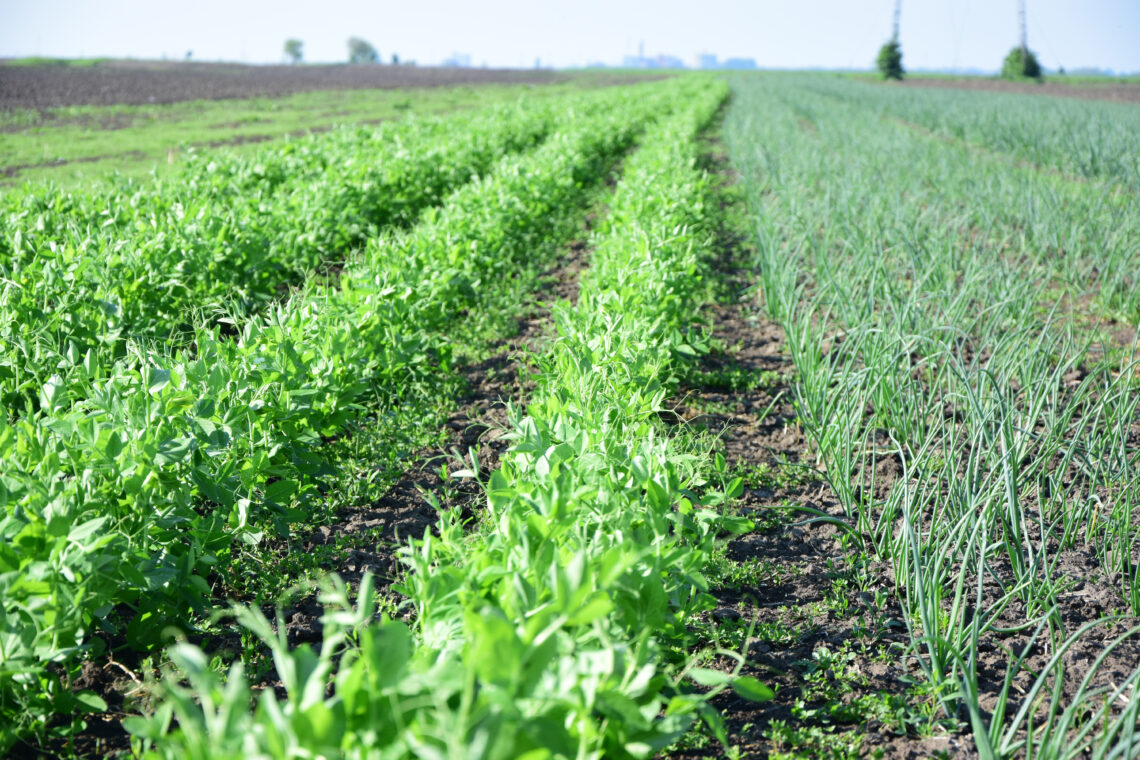
Multifunctionality.
Organic agriculture gains its full value through multifunctionality – producing both agricultural and non-agricultural products and services, while preserving the autochthonous agricultural landscape. Multifunctional organic farming contributes to the integral development of rural areas and the revitalization of small farms under diverse geographic and agro-ecological conditions.
Multifunctionality supports the preservation of ethnological and historical values of the region and fosters the development of new products based on traditional practices, as well as new marketing opportunities on farmers’ holdings and specialized organic and traditional markets. Multifunctional organic farms enable the development of tourism forms where agro-tourism and eco-tourism play a significant role. Organic agriculture is the path toward the future of farming, ensuring the conservation of natural resources as a great national treasure.
The International Federation of Organic Agriculture Movements (IFOAM) has defined four fundamental principles of organic agriculture.
These principles form the basis for the EU regulations, the Codex Alimentarius, as well as the Organic Production Act of the Republic of Serbia.
 Principle of Health
 Principle of Health
Principle 1.1 Organic agriculture should sustain and enhance the health of soil, plants, animals, humans, and the planet as a whole. This principle is based on the understanding that the health of individuals and social communities cannot be separated from the health of ecosystems, because only healthy soils produce healthy crops that nurture the health of animals and humans. The role of organic agriculture, whether in farming, processing, distribution, or consumption, is to maintain and improve the health of ecosystems and organisms—from the smallest ones found in the soil to human beings.
Principle 1.2 The primary goal of organic agriculture is the production of high-quality, healthy food that contributes to the prevention of health issues and the well-being of people. This is achieved by creating optimal agroecological conditions with biological activities similar to those found in nature, and without substances that can chemically or biologically contaminate products and foodstuffs.
Principle of Ecology
 Principle of Ecology
Principle 2.1 Organic agriculture is based on dynamic ecological systems and cycles with interdependent relationships, and applied measures thus contribute to the protection of biodiversity, which is highly valuable due to its diversity. Production should be based on ecological processes and recycling. Nutrition and well-being are achieved through the ecology of the specific production environment.
Principle 2.2 The management of organic production must be adapted to local conditions, ecology, culture, and other specificities. The introduction of new resources should be minimized by reusing old ones, recycling, and efficiently using materials and energy in order to maintain and improve the quality of the natural environment and conserve resources. Organic agriculture should achieve ecological balance through careful design of farming systems, habitat establishment, and maintenance of genetic and agricultural diversity. Those who produce, process, trade, or consume organic products should protect and positively influence the shared environment, including landscape, climate, habitats, biodiversity, air, and water.
Principle of Fairness
 Principle of Fairness
Principle 3.1 Organic agriculture should be developed based on relationships that ensure fairness toward the wider environment, nature, and life. Fairness is characterized by equality, respect, justice, and care for the shared world—among people as well as their relationship with other living beings. This principle emphasizes that all persons involved in organic agriculture (farmers, workers, processors, distributors, traders, and consumers) should cultivate interpersonal relationships in a manner that guarantees fairness at all levels.
Organic agriculture should provide a good quality of life for everyone involved and contribute to food sovereignty and poverty reduction.
Principle 3.2 It aims to produce sufficient quantities of good-quality food and other products. This principle advocates providing living conditions for animals that are in accordance with their physiology, natural behavior, and welfare. Natural and ecological resources used in production and consumption should be managed in a socially and ecologically fair manner and preserved for future generations. Fairness requires production, distribution, and trading systems that are transparent, equitable, and accountable for the true ecological and social costs.
Principle of Care
 Principle of Care
Principle 4.1 Organic agriculture should be managed in a cautious and responsible way to preserve the health and well-being of current and future generations and ecosystems. Organic agriculture is a dynamic ecological system that responds to internal and external demands and conditions. Those engaged in organic agriculture can improve efficiency and increase productivity, but without risking health and well-being. Accordingly, the value of new technologies must be carefully assessed, and existing methods continuously reviewed.
Principle 4.2 This principle states that caution and responsibility are key aspects in the management, development, and selection of technologies in organic agriculture. Science will ensure that organic agriculture remains healthy, safe, and environmentally sound. However, scientific knowledge alone is not sufficient. Practical experience, accumulated wisdom, as well as traditional and local knowledge offer valid solutions tested over time. Organic agriculture should prevent significant risks by adopting appropriate technologies and rejecting unpredictable ones, such as genetic engineering. Decisions should reflect the values and needs of all those who might be affected, through transparent and participatory processes.