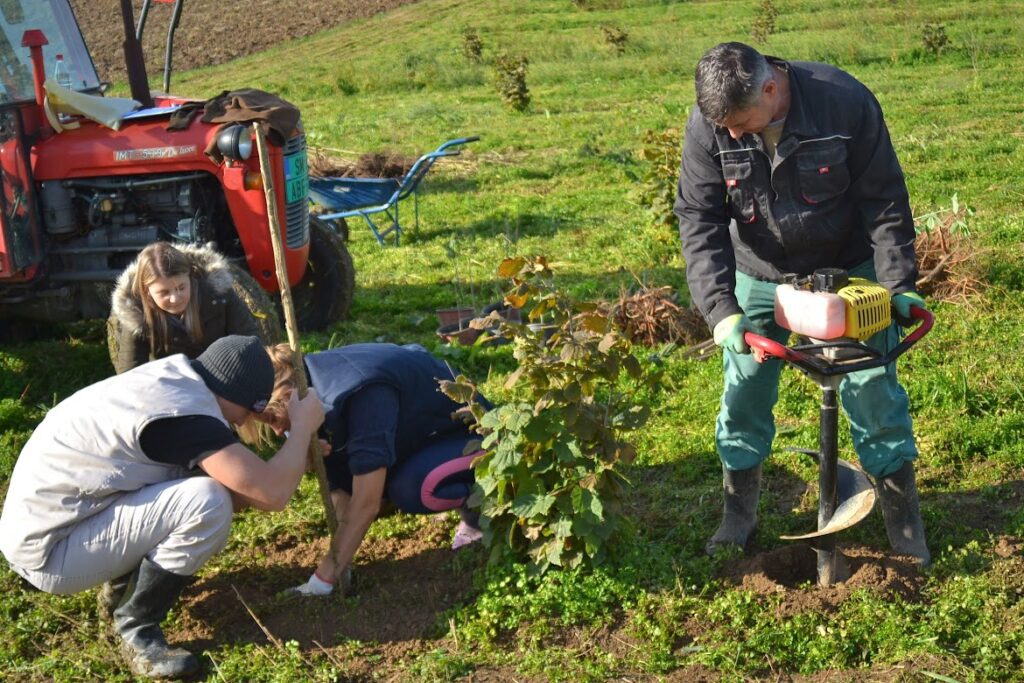
As part of the project “Sustainable & climate resilient sunflower value chain and corresponding innovative climate resilient production systems,” in addition to the production of organic consumable sunflower for the Swiss market, a scientific component of the project was implemented. This includes the establishment of demo trials based on the principles of syntropic agriculture, i.e., dynamic agroforestry (DAF ), at four locations in Vojvodina.
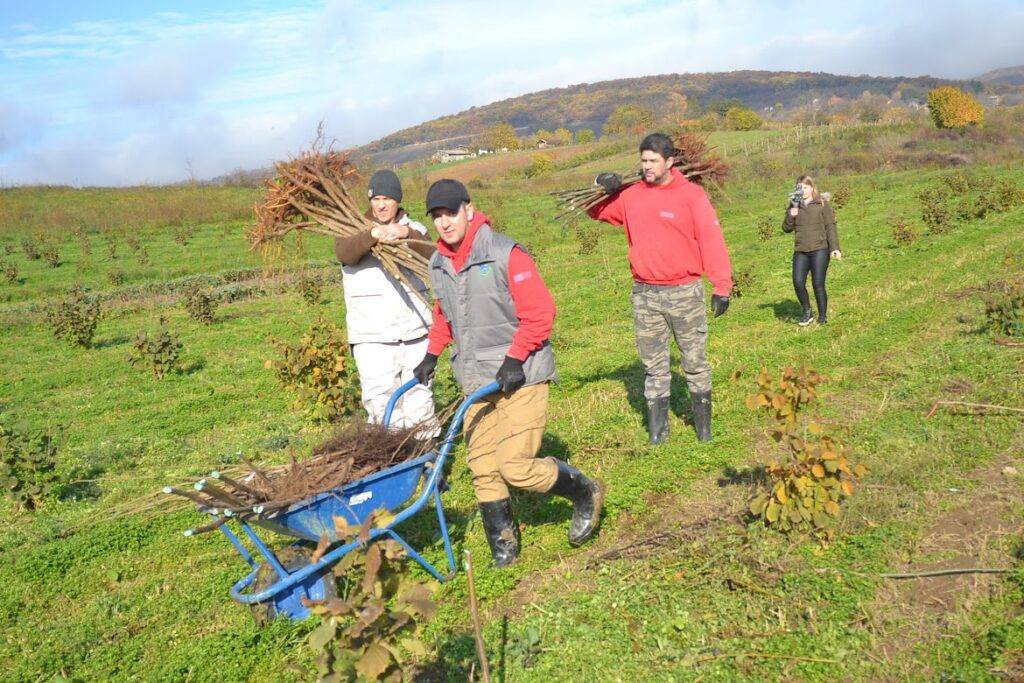
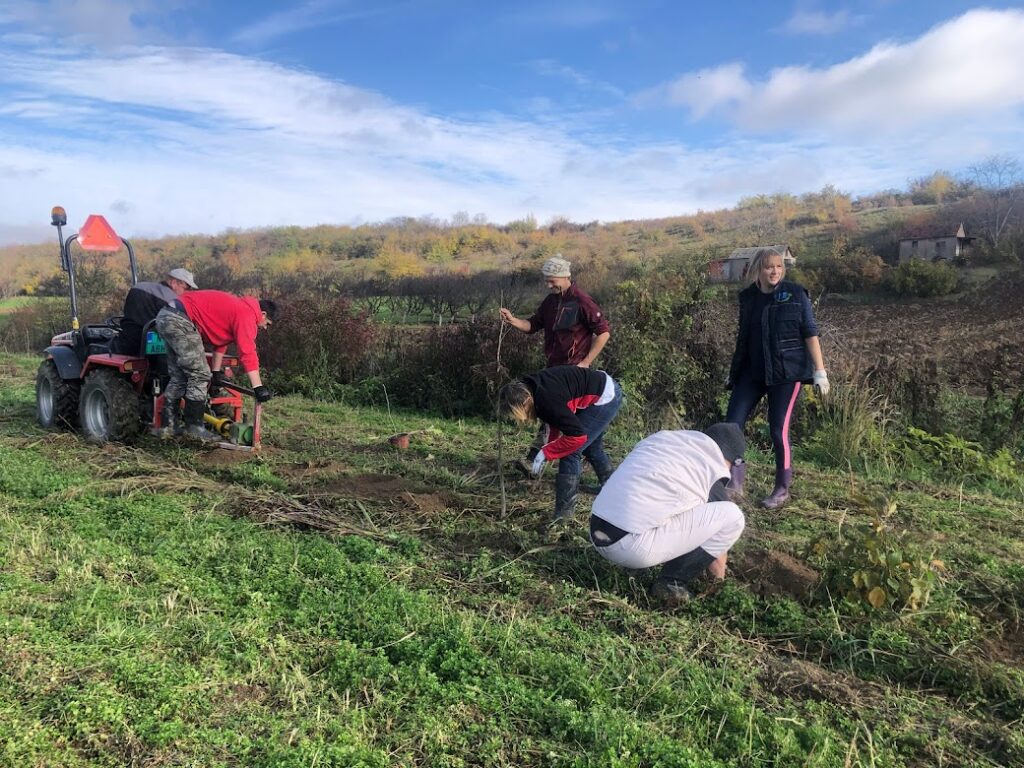
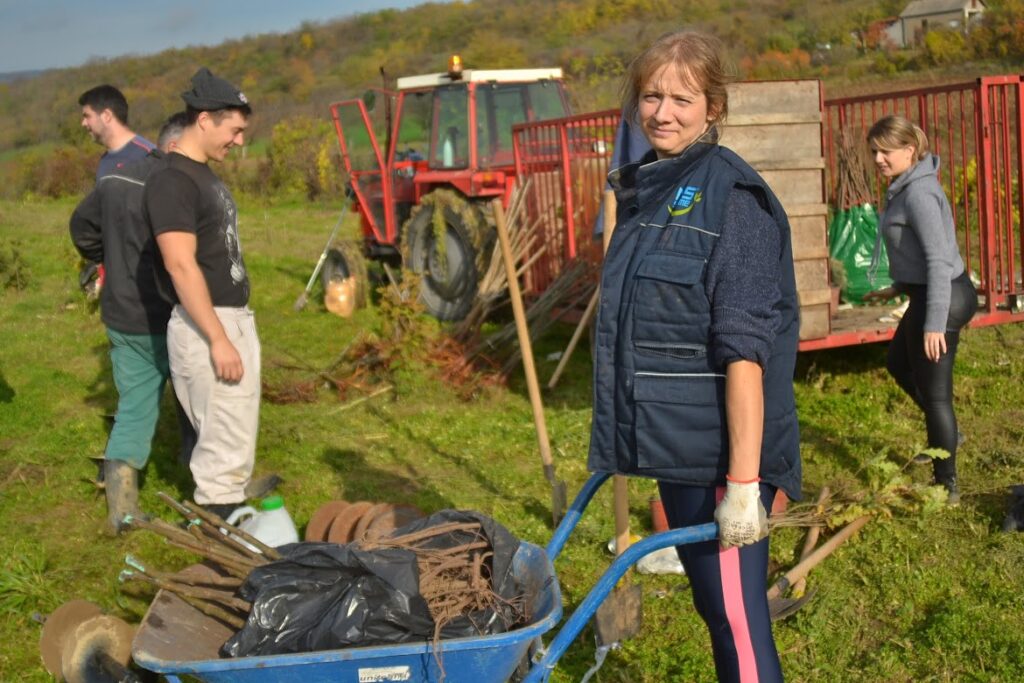
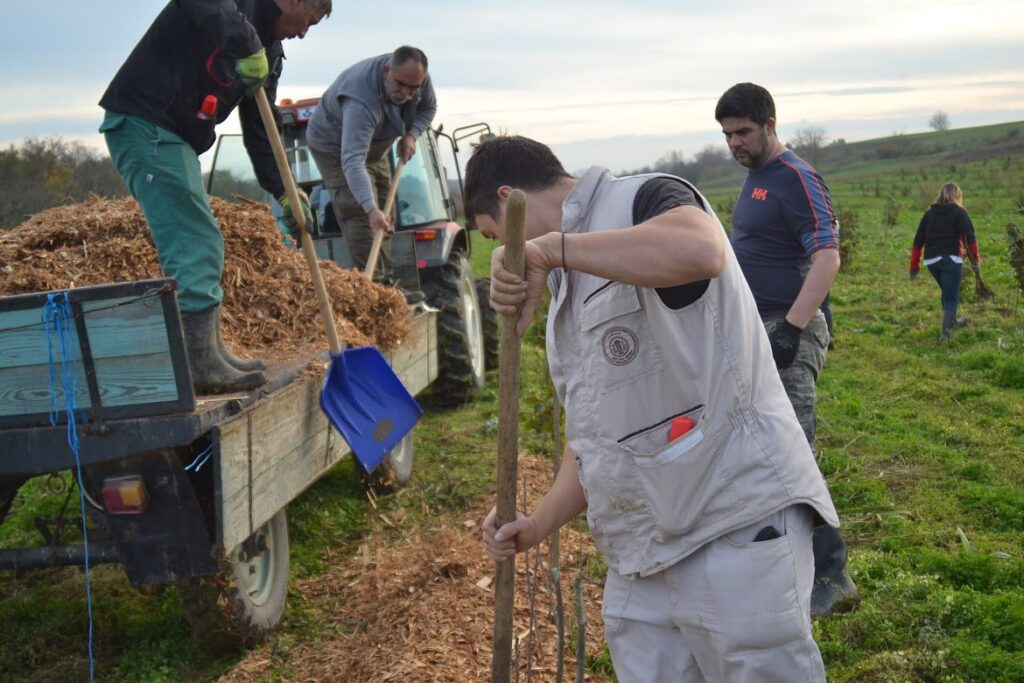
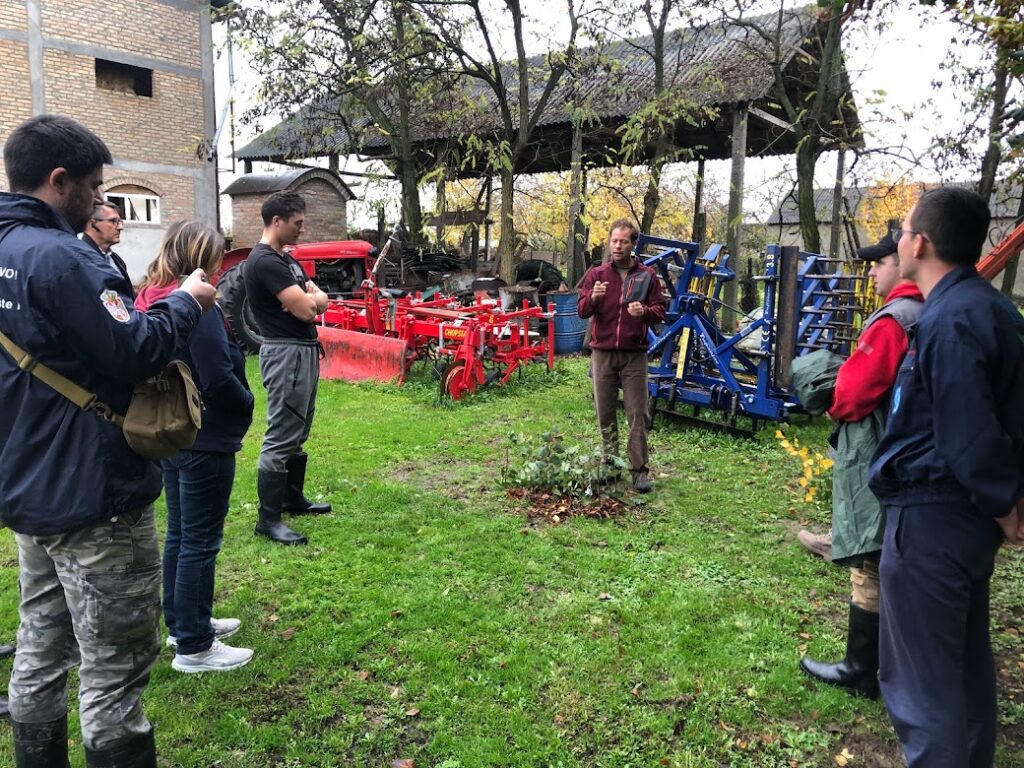
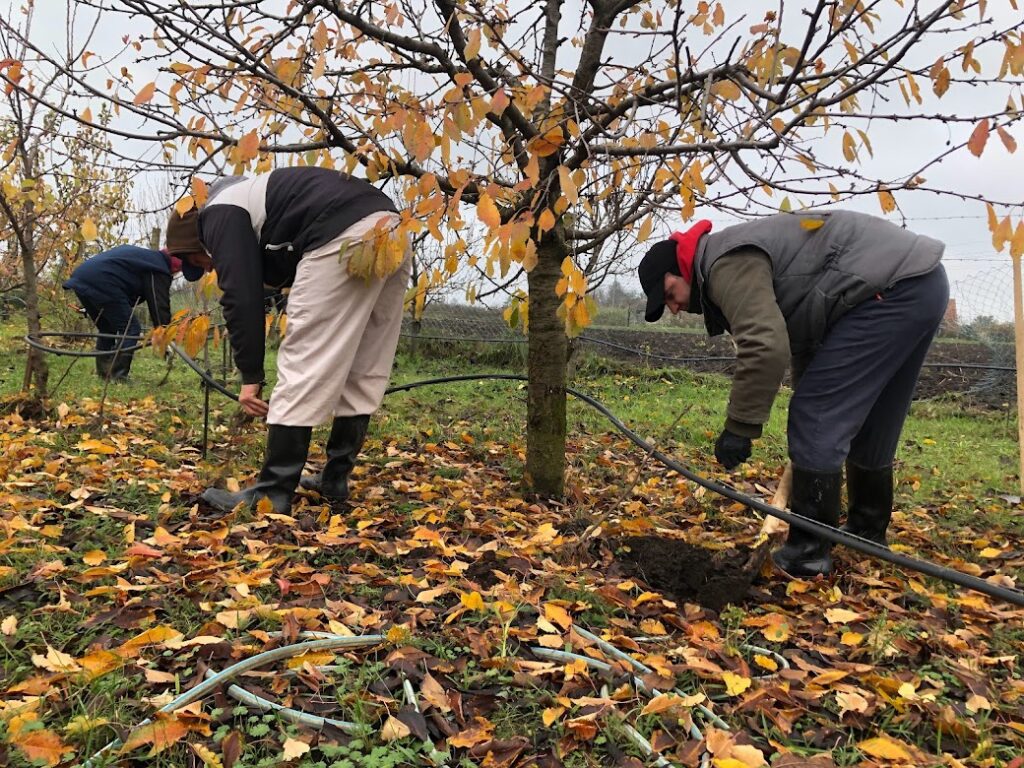
The Institute of Field and Vegetable Crops, represented by Brankica Babec and Milorad Živanov, along with several agricultural workers, played a key role in establishing the demo trials. The Institute conducts research in biotechnology, genetics and breeding, seed production, microbiology, physiology, biochemistry, agrochemistry, soil amelioration, phytopathology, entomology, phytopharmacy, and toxicology, making their expert team invaluable during the setup of the trials.
Representatives of the Vojvodina Organic Cluster, led by Miloš Rajković, were also involved in implementing the demo trials. VOC is the project leader, connecting all partners and responsible for organizing and executing project activities.
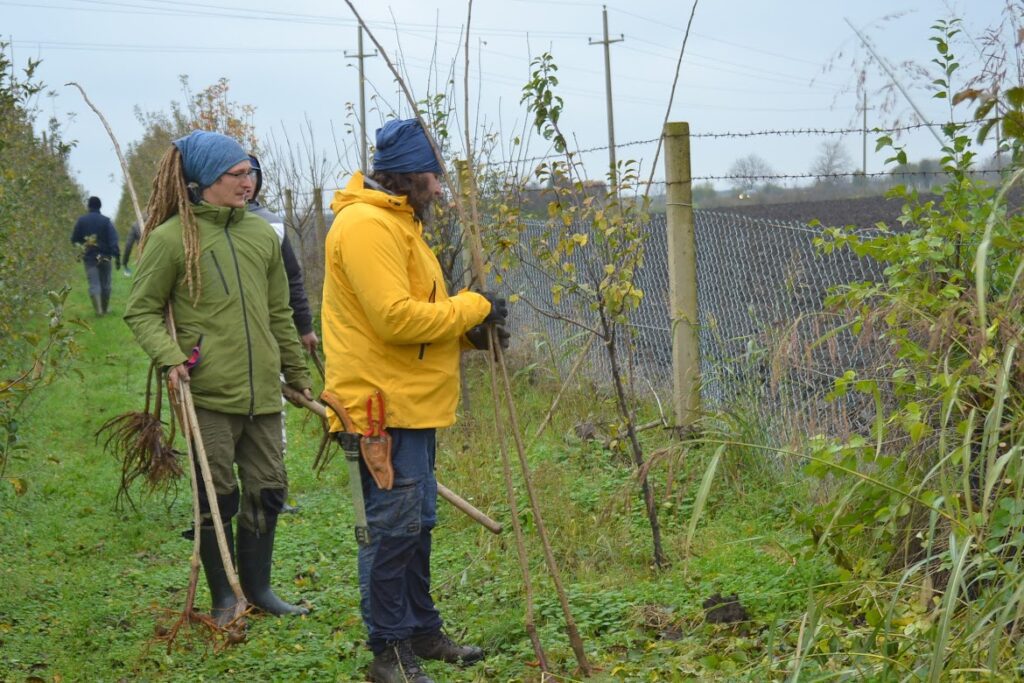
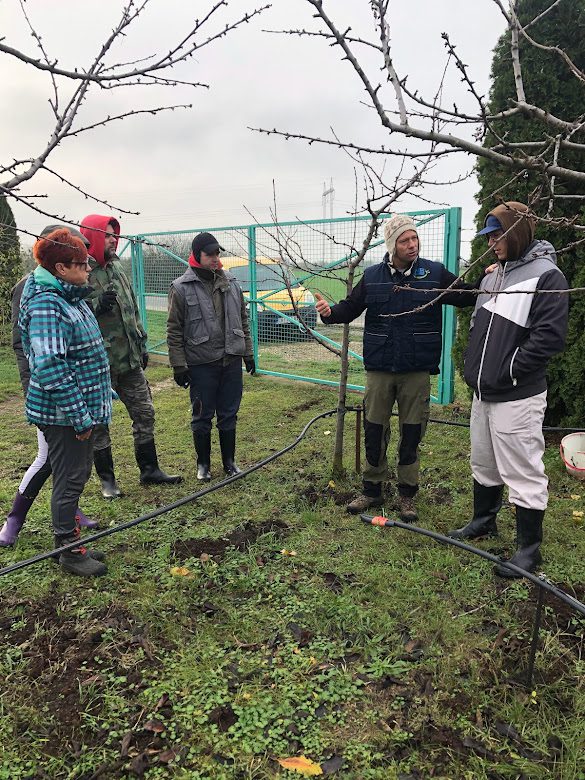
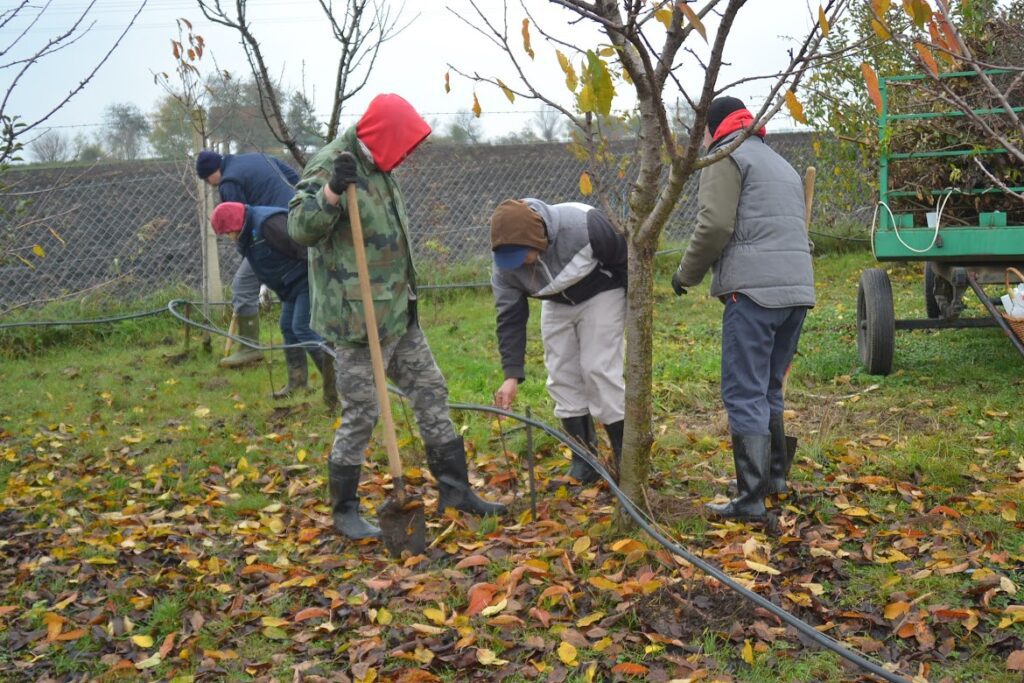
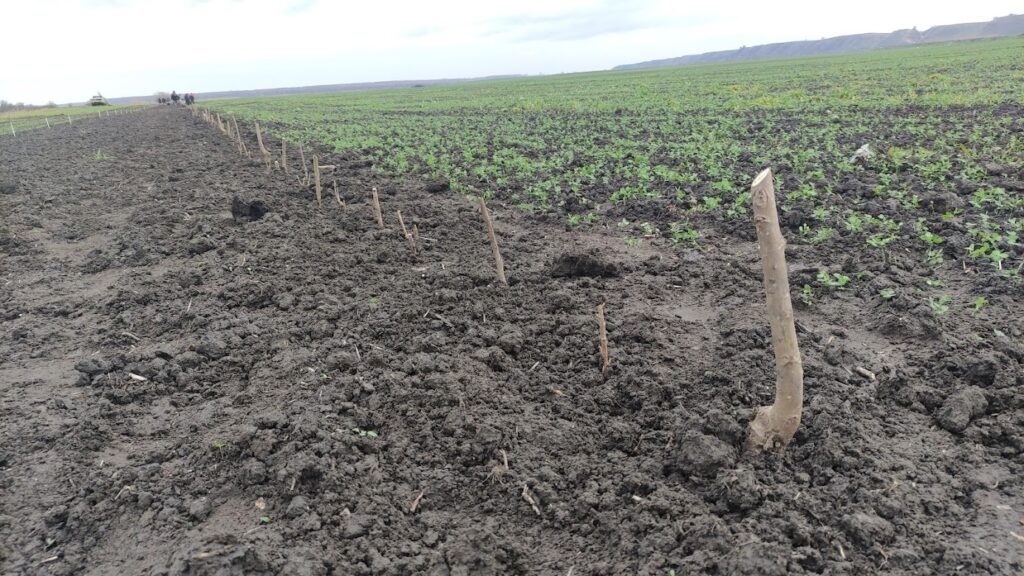
Representatives of the consulting company Ecotop, which has over 20 years of experience in agroforestry, have joined forces with the Institute of Field and Vegetable Crops and the Vojvodina Organic Cluster. In recent days, they have been setting up demo trials on certified organic plots following the principles of dynamic agroforestry (DAF).
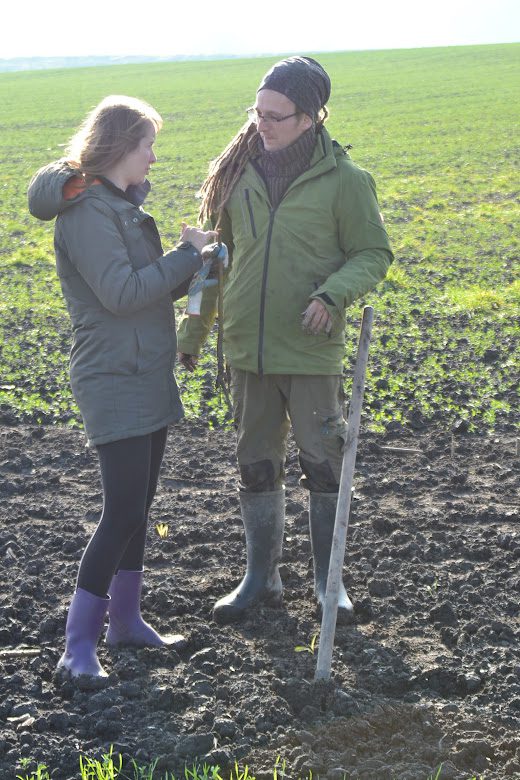
The Ecotop team members we collaborate with include Bastian Dreher, who studied forestry at the Technical School of Forestry at UMSS University in Cochabamba and began his career at ECOTOP as a farm manager and project coordinator in the Alto Beni region; and Renke de Vries, who has established five complex agroforestry systems and planted thousands of trees. Their colleague Nepomuk Buttenberg also participated in setting up the demo trials.
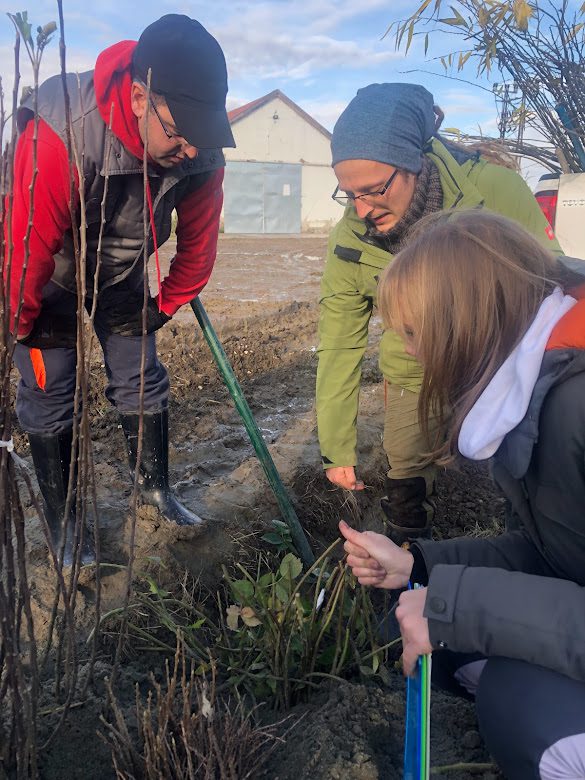
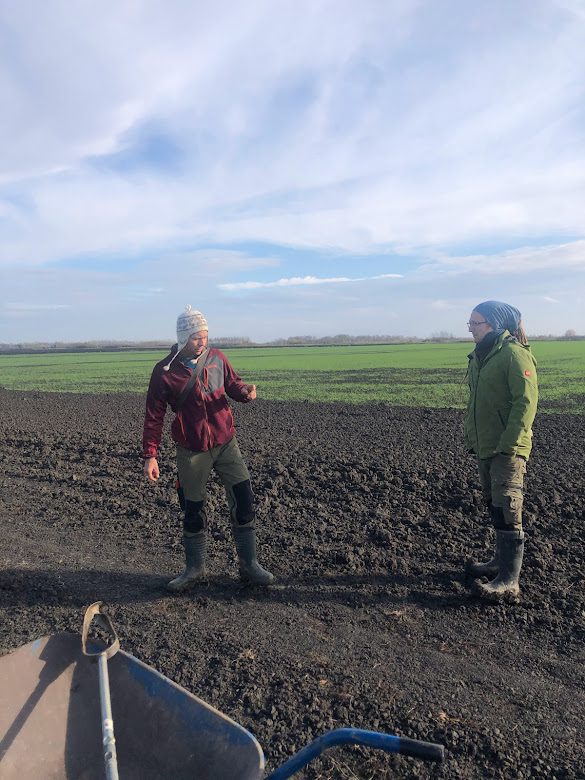

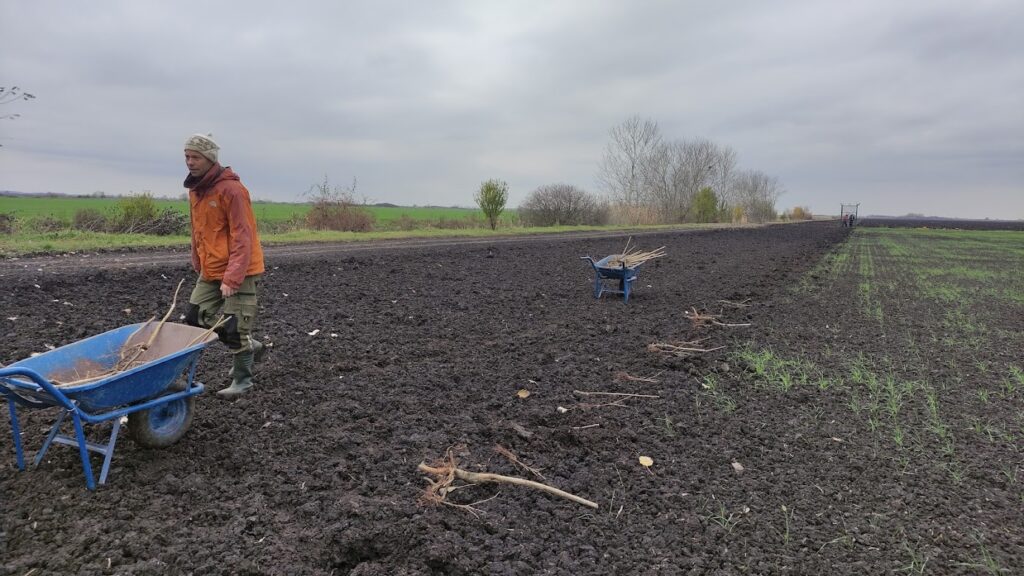
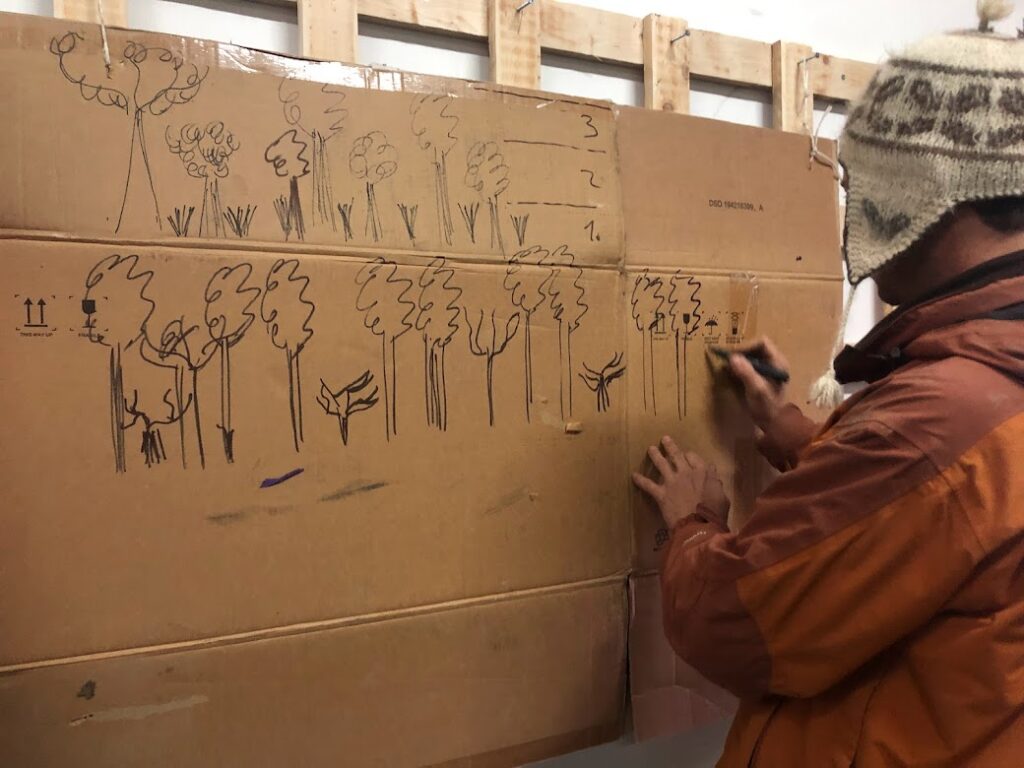
The Ecotop team introduced us to the principles, setup methods, and functioning of the dynamic agroforestry system. Some of the key principles include:
- Always maintaining ground cover;
- Increased production intensity;
- Stratification (layering);
- Natural succession;
- In situ synchronized system management.
The demo trials were established on the plots of small organic producers Ignjat Jurišić in Šuljam, Dušanka Đukić in Elemir, as well as on the parcels of the Research and Development Center LoginEKO in Novi Kneževac and Mošorin.
The hazelnut and apple orchards were enriched with fast-growing, medium-growing, and slow-growing woody species that serve as shade and provide material for producing ground cover, while row crops are cultivated between the rows.
In addition to the continuous practical work during the setup of the demo trials, Bastian and Renke conducted training sessions, providing us with new information and valuable advice.
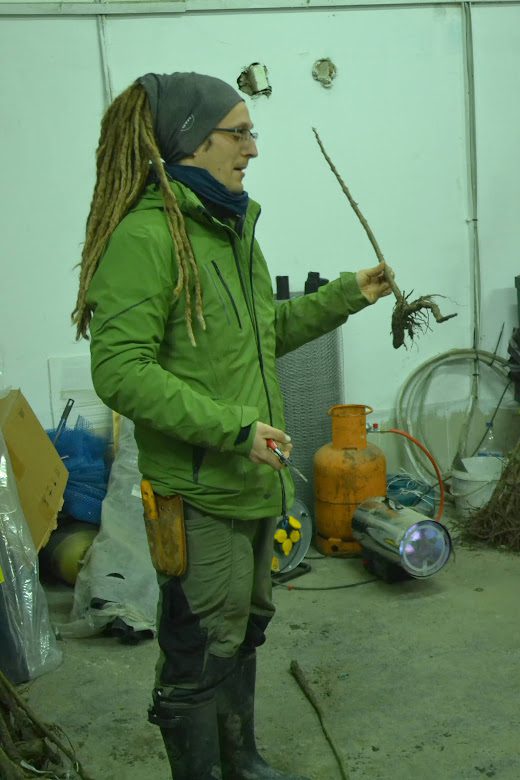
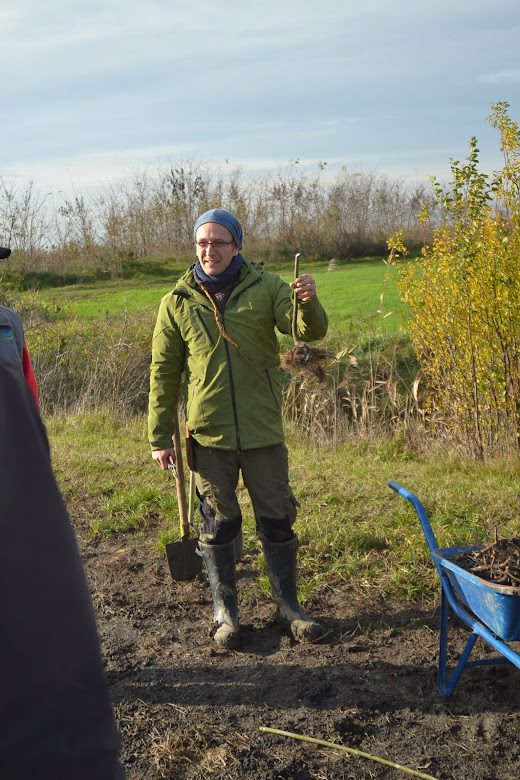
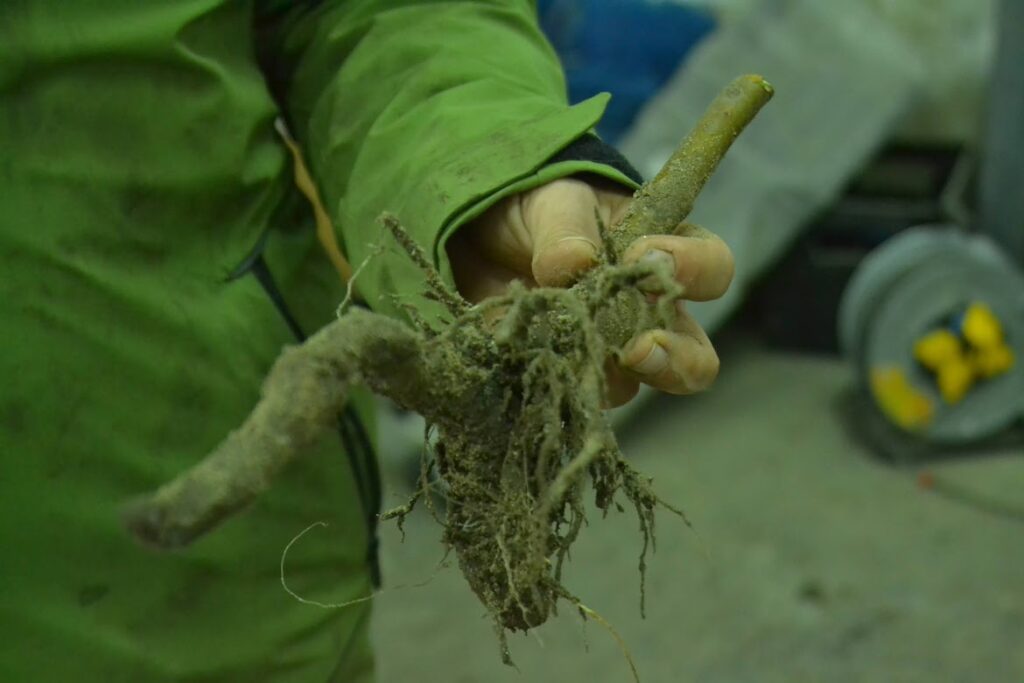
The goal of Ecotop is to create educated and independent producers through demo trials who will harness the full potential of their production using this type of planting and establish a self-sustaining system that benefits both people and the planet. The core vision of the DAF system is that nature itself is our greatest teacher, and to take the best from it, we must imitate natural processes.